Archives
- 2026-06
- 2026-05
- 2026-04
- 2026-03
- 2026-02
- 2026-01
- 2025-12
- 2025-11
- 2025-10
- 2025-09
- 2025-03
- 2025-02
- 2025-01
- 2024-12
- 2024-11
- 2024-10
- 2024-09
- 2024-08
- 2024-07
- 2024-06
- 2024-05
- 2024-04
- 2024-03
- 2024-02
- 2024-01
- 2023-12
- 2023-11
- 2023-10
- 2023-09
- 2023-08
- 2023-07
- 2023-06
- 2023-05
- 2023-04
- 2023-03
- 2023-02
- 2023-01
- 2022-12
- 2022-11
- 2022-10
- 2022-09
- 2022-08
- 2022-07
- 2022-06
- 2022-05
- 2022-04
- 2022-03
- 2022-02
- 2022-01
- 2021-12
- 2021-11
- 2021-10
- 2021-09
- 2021-08
- 2021-07
- 2021-06
- 2021-05
- 2021-04
- 2021-03
- 2021-02
- 2021-01
- 2020-12
- 2020-11
- 2020-10
- 2020-09
- 2020-08
- 2020-07
- 2020-06
- 2020-05
- 2020-04
- 2020-03
- 2020-02
- 2020-01
- 2019-12
- 2019-11
- 2019-10
- 2019-09
- 2019-08
- 2019-07
- 2019-06
- 2019-05
- 2019-04
- 2018-11
- 2018-10
- 2018-07
-
Immunohistochemistry in tissue samples showed the expression
2023-08-31

Immunohistochemistry in tissue samples showed the expression of several nuclear receptor co-activators, including NCOA1, NCOA2, NCOA3, CREBBP, and EP300, in 85–100% of PPACK Dihydrochloride australia tumors even some of which lacked AR expression (Boorjian et al., 2009). Knockdown of each co-activa
-
Although only Leu CysAP IRAP Herbest et al Keller and
2023-08-31

Although only Leu/CysAP (IRAP) (Herbest et al., 1997, Keller, 2004) and DPPIV (Alponti and Silveira, 2010, Kirino et al., 2009) had been identified and studied in adipocytes, our kinetic analysis suggested the highest physiological significance for AspAP (highest affinity) and APM and PSA (highest e
-
br Understanding AD through Transcriptome Analysis Both clas
2023-08-31
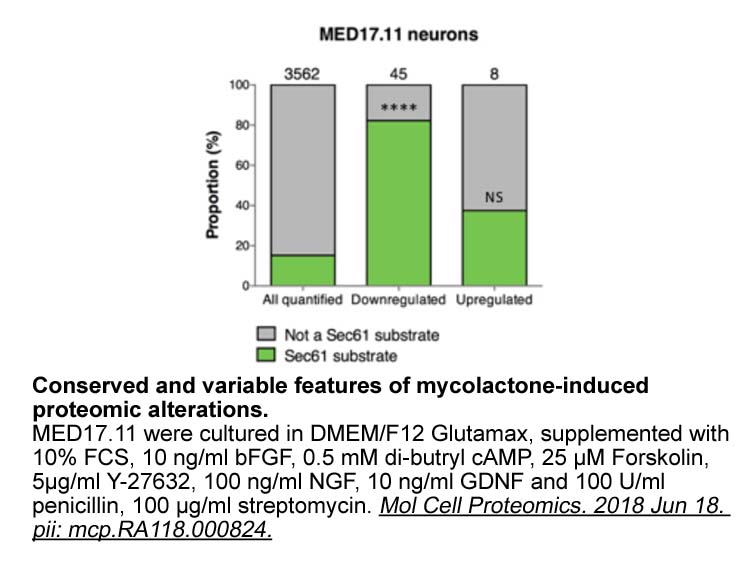
Understanding AD through Transcriptome Analysis Both classical gene discovery and pathway-based analysis of AD GWAS shed light on the range of biological processes that contribute to AD in addition to amyloid pathology. The straightforward interpretation and functional investigation of the associ
-
br Materials and Methods br
2023-08-31
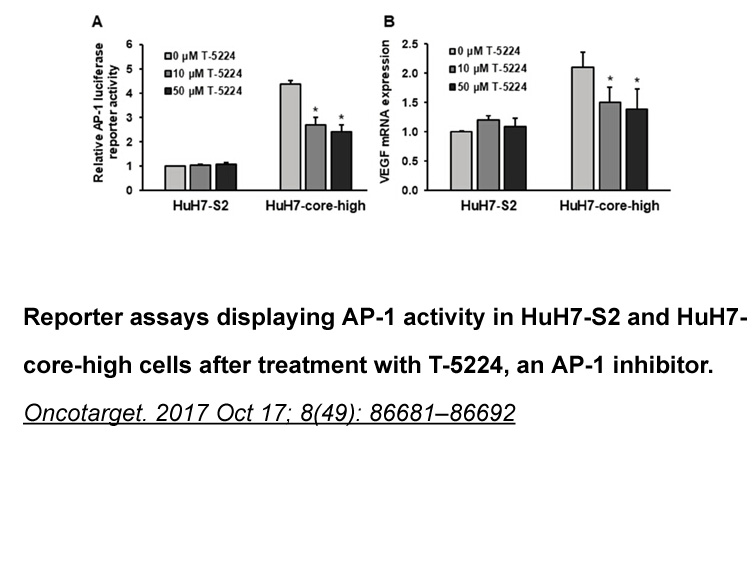
Materials and Methods Results A total of 28 NSCLC tumor samples from 26 patients (2 patients with paired tumor samples) were included. According to the initial FISH (Abbott Molecular probes) and IHC results, 13 samples were ALK IHC+FISH+, 5 samples were ALK IHC+FISH−, 2 samples (from the same
-
Adiponectin also works on AdipoR inducing extracellular Ca i
2023-08-31
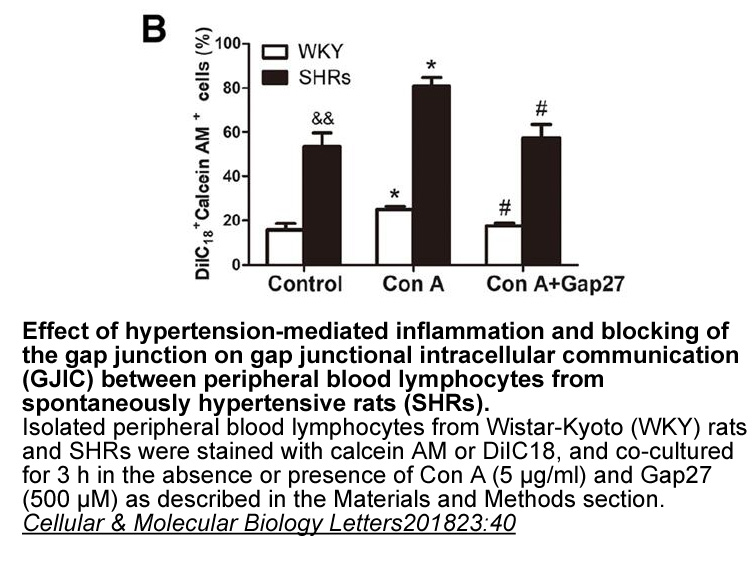
Adiponectin also works on AdipoR1, inducing extracellular Ca2+ influx necessary for activation of Ca2+/calmodulin-dependent protein kinase kinase (CaMKK)β, AMPK (Fig. 1). This step is then followed by activation of SirT1 and increased expression and decreased acetylation of PPARγ coactivator (PGC)-1
-
Since forskolin is known to
2023-08-31
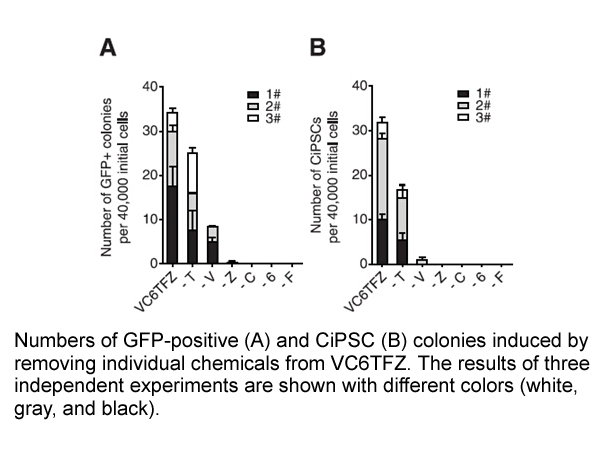
Since forskolin is known to act directly at the catalytic site of adenylate cyclases near the ATP binding (Tesmer et al., 1997), the synergistic and/or permissive effect of gonadotropins on FSK activity must occur at the level of AC itself or very near, at the level of one of its direct partner. The
-
In the presence of detrimental conditions such as inflammati
2023-08-31
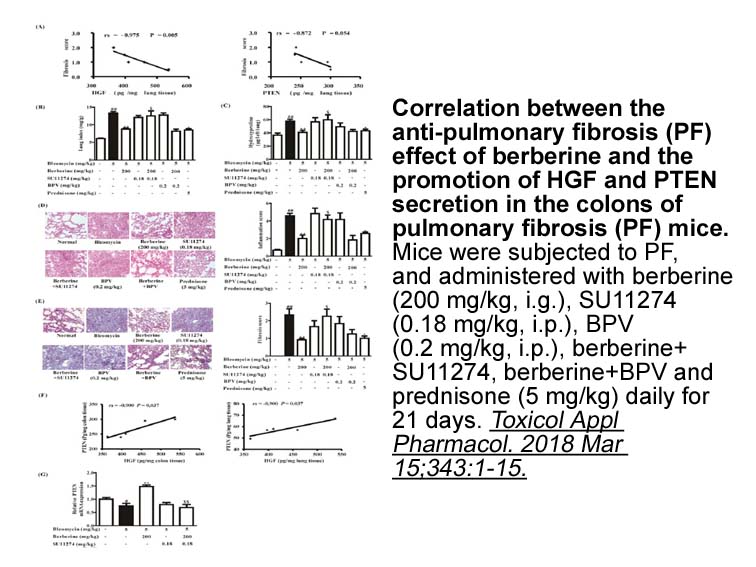
In the presence of detrimental conditions, such as inflammation, hypoxia, ischemia trauma or neoplastic milieu, the extracellular levels of adenosine increase massively, reaching micromolar range [51,52]. In these pathological contexts, adenosine accumulation stems from increased extracellular depho
-
br Functional consequences of ADK regulation on neuronal exc
2023-08-31
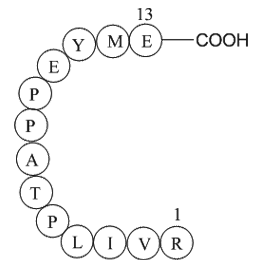
Functional consequences of ADK regulation on neuronal excitability Adenosine modulates neuronal excitability via activation of the high affinity A1 or A2A, low-affinity A2B, or low abundance A3 adenosine receptors that feed into a multitude of different neuronal and astrocytic pathways (Blum et a
-
Introduction The cytoskeleton allows cells to
2023-08-30
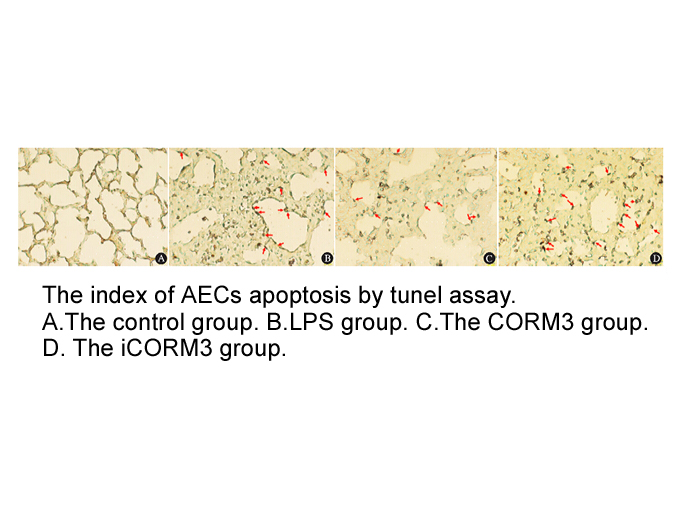
Introduction The cytoskeleton allows cells to establish, maintain and transform their shape. In neurons, these include cell differentiation, migration, polarization and development of their unique arborization. Axons are very thin (~1 μm), long (up to 1m) and highly branched (>95% of the plasma mem
-
Introduction Mammalian cells express the seven
2023-08-30

Introduction Mammalian 5-Carboxymethylester-UTP express the seven STAT family members STAT1, −2, −3, −4, −5A, −5B, and −6 [1], [2]. All STATs exert physiologically important roles as homo- and heterodimers [2], [3], [4]. Cytokines and growth factors activate STATs through the activation of kinases
-
br Exocytosis of GLUT by autophagy br
2023-08-30
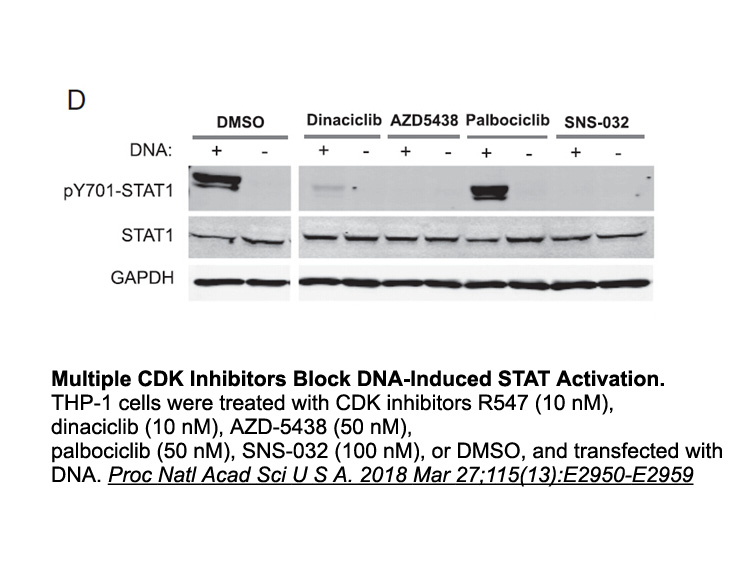
Exocytosis of GLUT4 by autophagy Conclusion Conflict of interest Ethics statement Antigen processing and presentation Adaptive immune response has to be instructed to identify and eliminate specific pathogens or foreign entities defined by their antigenic determinants. Processed antig
-
Lower LDL C mediated by variants in
2023-08-30
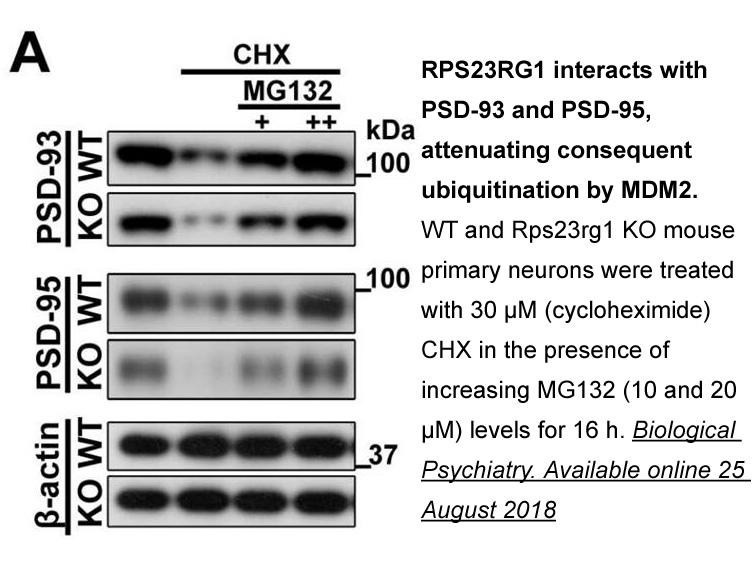
Lower LDL-C mediated by variants in the ACL gene is causally associated with the risk of cardiovascular events. Because, genetic variants that mimic the effect of an ACL inhibitor have the same effect on the risk of cardiovascular events per unit change in LDL-C as variants that mimic the effect of
-
br Conclusions br Acknowledgements We would like to thank th
2023-08-30
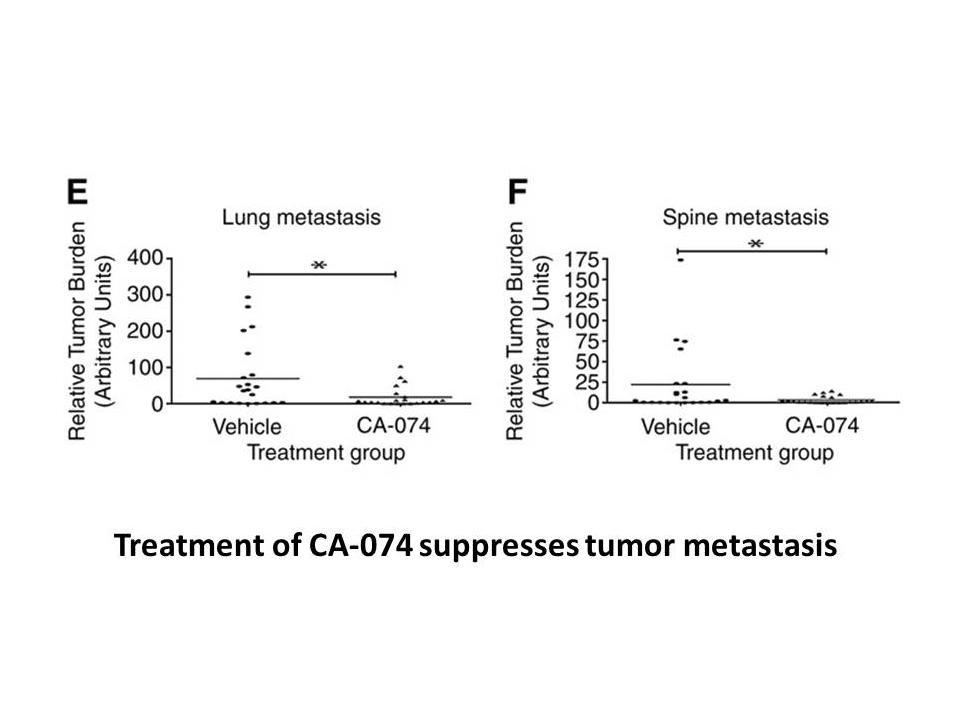
Conclusions Acknowledgements We would like to thank the members of the Bergmann lab for fruitful discussions in the course of this work. This work was supported by the National Institute of General Medical Sciences (NIGMS) under award number R35 GM118330. The content is solely the responsibili
-
br Implications for cancer ROS
2023-08-30
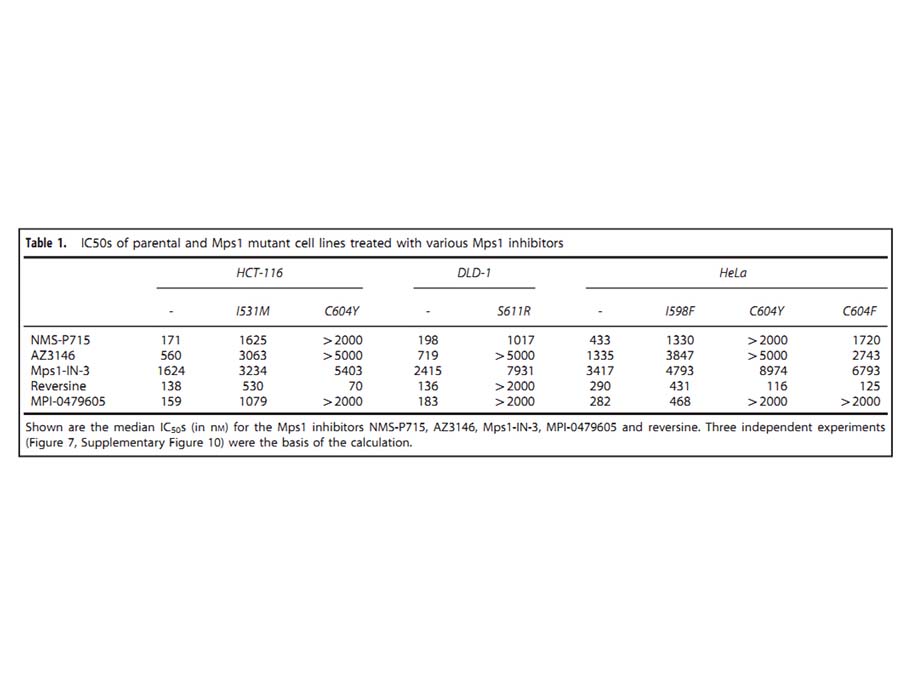
Implications for cancer ROS have a long history of being involved in the development and progression of cancer and increased ROS level is considered as a hallmark of many tumors [76], [77]. Initially, it was thought that ROS would serve as chemical mutagens that would indiscriminately damage cell
-
Autocrine regulations of several adipokines e g leptin
2023-08-30
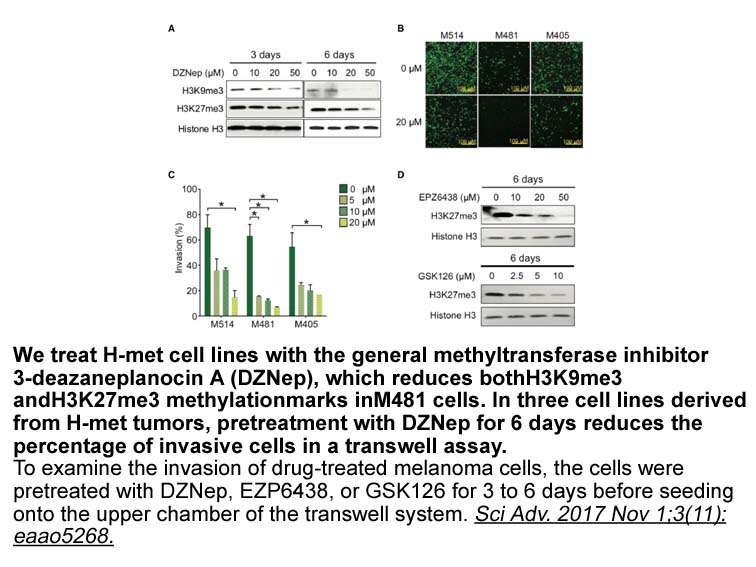
Autocrine regulations of several adipokines (e.g., leptin and resistin) on adipocytes have been reported (Karastergiou and Mohamed-Ali, 2010, Ye et al., 2010). Several lines of evidence have shown that apelin influences adipocyte functions, such as, lipolysis and glucose uptake (Dray et al., 2008, Y
16755 records 315/1117 page Previous Next First page 上5页 311312313314315 下5页 Last page