Archives
- 2026-08
- 2026-07
- 2026-06
- 2026-05
- 2026-04
- 2026-03
- 2026-02
- 2026-01
- 2025-12
- 2025-11
- 2025-10
- 2025-09
- 2025-03
- 2025-02
- 2025-01
- 2024-12
- 2024-11
- 2024-10
- 2024-09
- 2024-08
- 2024-07
- 2024-06
- 2024-05
- 2024-04
- 2024-03
- 2024-02
- 2024-01
- 2023-12
- 2023-11
- 2023-10
- 2023-09
- 2023-08
- 2023-07
- 2023-06
- 2023-05
- 2023-04
- 2023-03
- 2023-02
- 2023-01
- 2022-12
- 2022-11
- 2022-10
- 2022-09
- 2022-08
- 2022-07
- 2022-06
- 2022-05
- 2022-04
- 2022-03
- 2022-02
- 2022-01
- 2021-12
- 2021-11
- 2021-10
- 2021-09
- 2021-08
- 2021-07
- 2021-06
- 2021-05
- 2021-04
- 2021-03
- 2021-02
- 2021-01
- 2020-12
- 2020-11
- 2020-10
- 2020-09
- 2020-08
- 2020-07
- 2020-06
- 2020-05
- 2020-04
- 2020-03
- 2020-02
- 2020-01
- 2019-12
- 2019-11
- 2019-10
- 2019-09
- 2019-08
- 2019-07
- 2019-06
- 2019-05
- 2019-04
- 2018-11
- 2018-10
- 2018-07
-
From the results of previous
2019-07-09
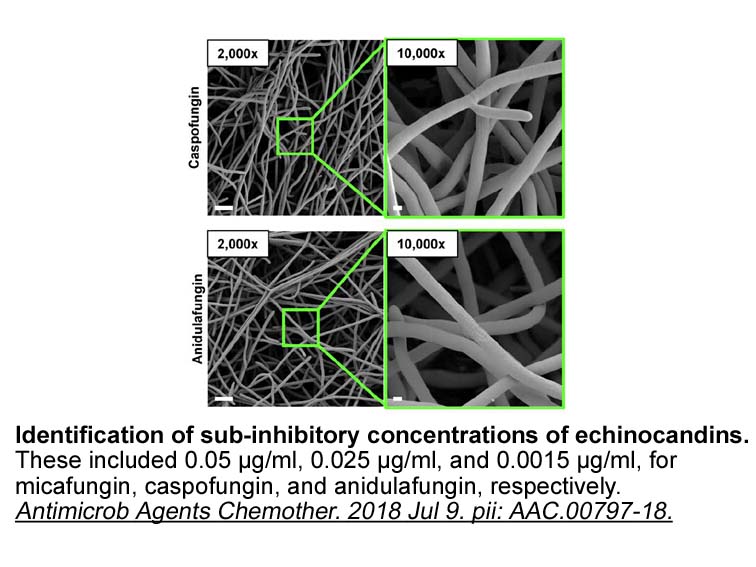
From the results of previous experiments with the purvalanol B affinity matrix, it is not clear whether the selective capture of parasite CK1 enzymes is a reflection of their high abundance or rather their affinity for the ligand compared with other kinases present in the lysates. Based on compariso
-
R-848 weight The Ewing sarcoma breakpoint region gene EWSR i
2019-07-09
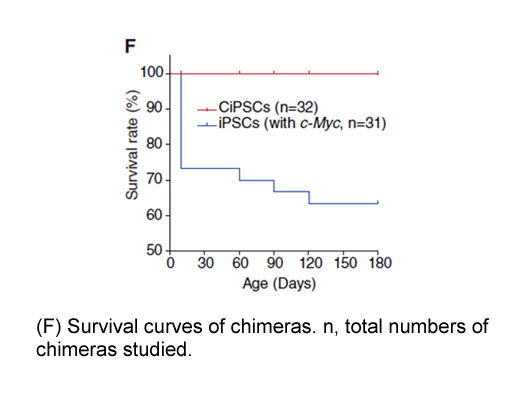
The Ewing sarcoma breakpoint region 1 gene (EWSR1) is a partner in a large, diverse range of mesenchymal (and some nonmesenchymal) tumors (Tables 1 and 2). As the 5′ partner, EWSR1 is able to fuse with an array of genes. These fusions can generate genetically different but phenotypically identical n
-
Given the potency enhancing effect of
2019-07-09
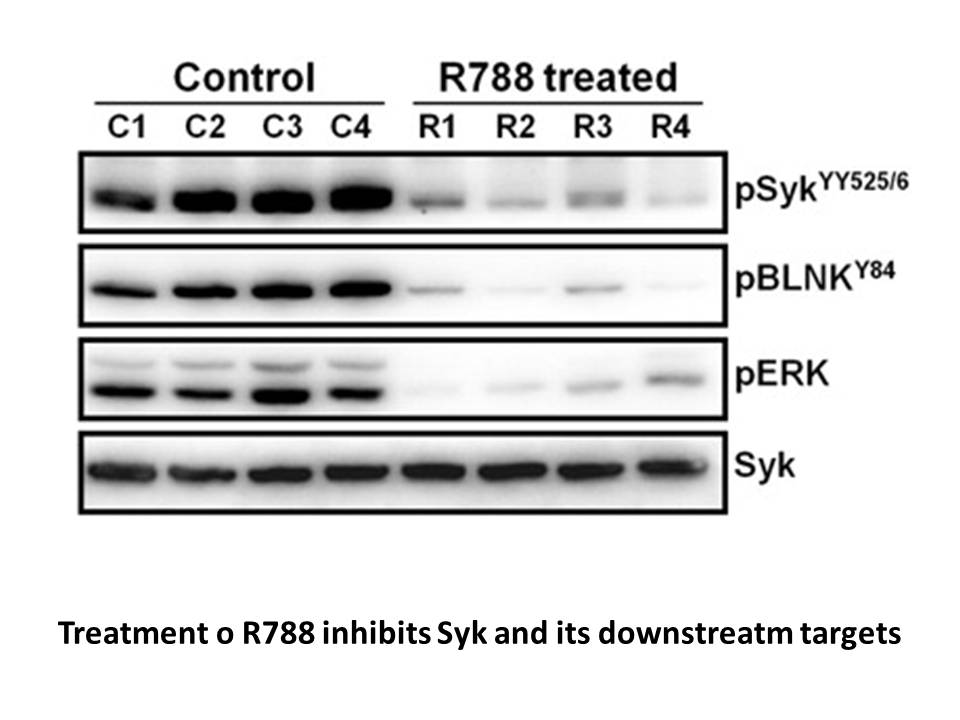
Given the potency enhancing effect of the 4--butyl group, this substitution was incorporated into the Eastern portion of the molecule for further SAR investigations (). Removal of the phenol group (SR19822) or moving it from the -position to the -position (SR19552) or led to significant loss of acti
-
br Conclusions br Conflicts of interest br Research
2019-07-09
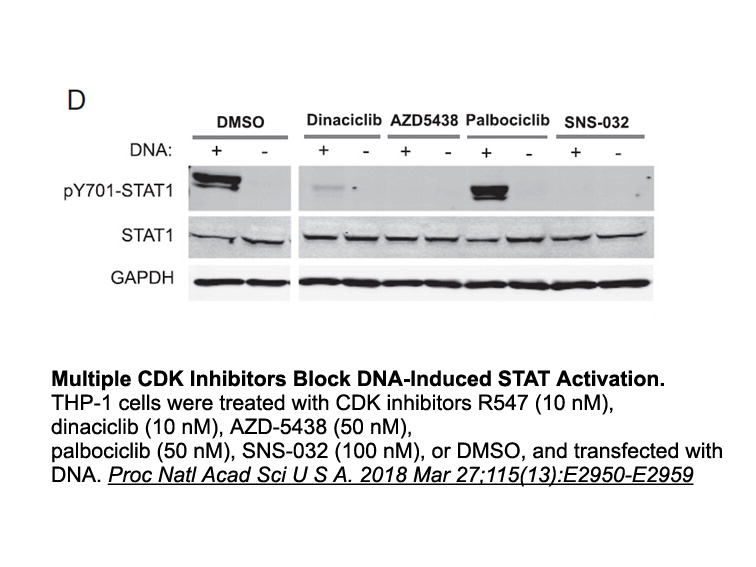
Conclusions Conflicts of interest Research funding This work was financially supported by Shanghai Committee of Science and Technology (No. 16431903800). Main Text Developmental processes make usage of a surprisingly limited number of morphogens and signaling components to control a ple
-
Synthesis of and is described in Scheme Compounds and were
2019-07-09
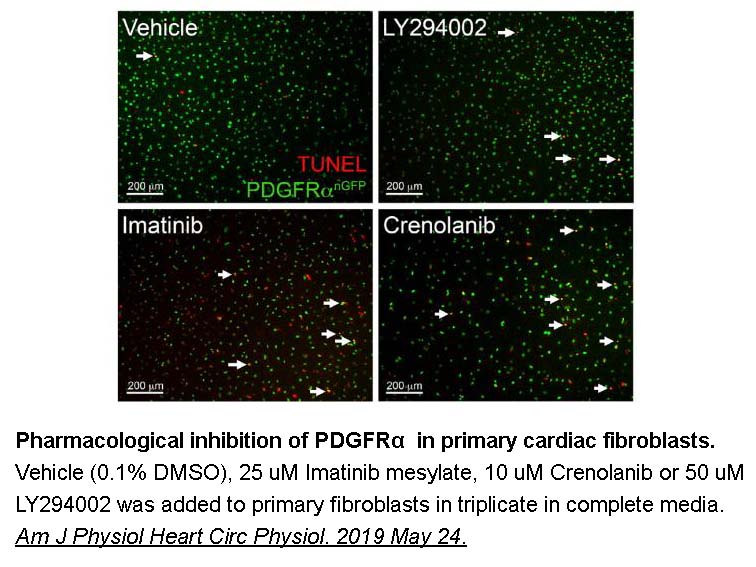
Synthesis of 5–7, 12–14, and 18 is described in Scheme 3. Compounds 5–7 and 18 were prepared as outlined in Scheme 3a. Reaction of 4-bromomethylbenzoic HS-173 (36) with thionyl chloride yielded the corresponding acid chloride, which was converted to the corresponding amide 40a by the usual ammonolys
-
Across the scaffold the platform anchors
2019-07-09
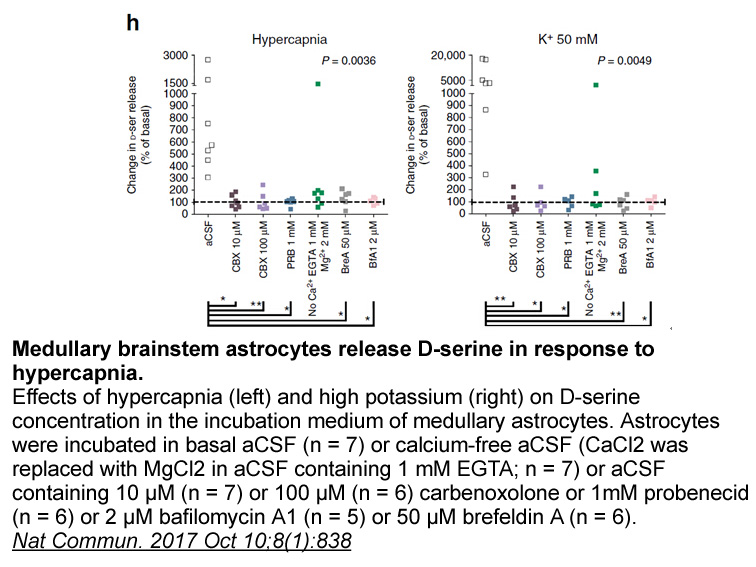
Across the scaffold, the platform anchors the N terminus of the elongated cullin structure of APC2 [21]. This connects to the flexible cullin–RING catalytic core consisting of the C-terminal region of APC2 and the associated APC11 11, 12, 21. The flexibility and positions of the catalytic core are c
-
br Materials and methods br Results
2019-07-09
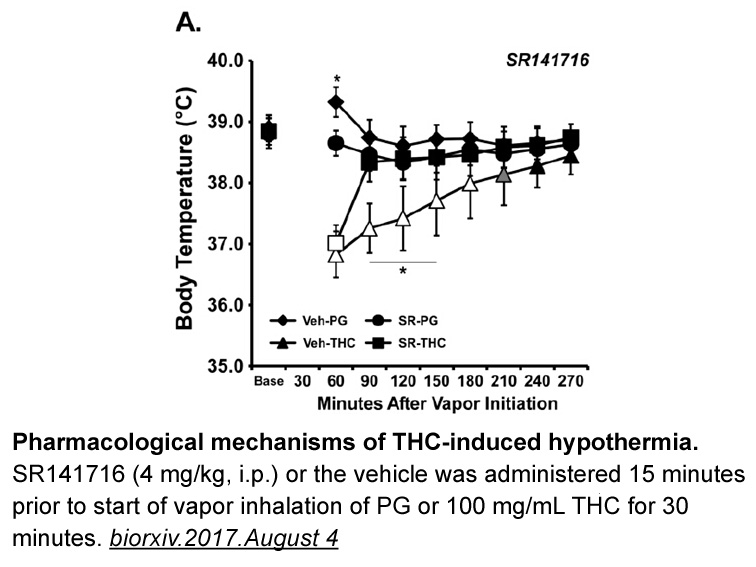
Materials and methods Results Discussion DNA-PKcs and the Ku heterodimer (Ku70 and Ku80) constitute the DNA-PK complex, which is a serine/threonine kinase. DNA-PK phosphorylates H2AX and other substrates, such as main NHEJ factors (Artemis, XRCC4, and DNA ligase IV) [4]. Therefore, DNA-PK d
-
br Structural and biochemical features of
2019-07-09
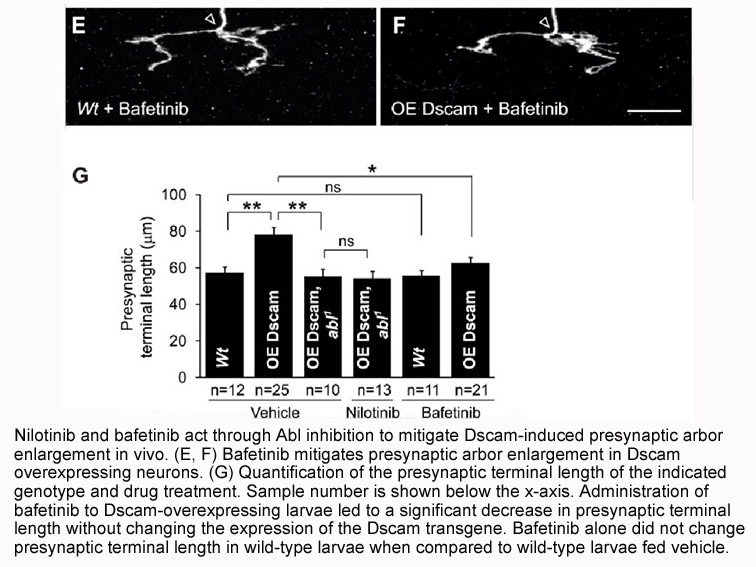
Structural and biochemical features of pol X family polymerases The X-family DNA polymerase (polX) is specialized in DNA repair. This family is composed of four different DNA polymerases: pol β, pol λ, pol μ and TdT. Only three members of the polX family possess an N-terminal BRCT (BRCA1 carboxy-
-
DSBs can be repaired by two major pathways
2019-07-09
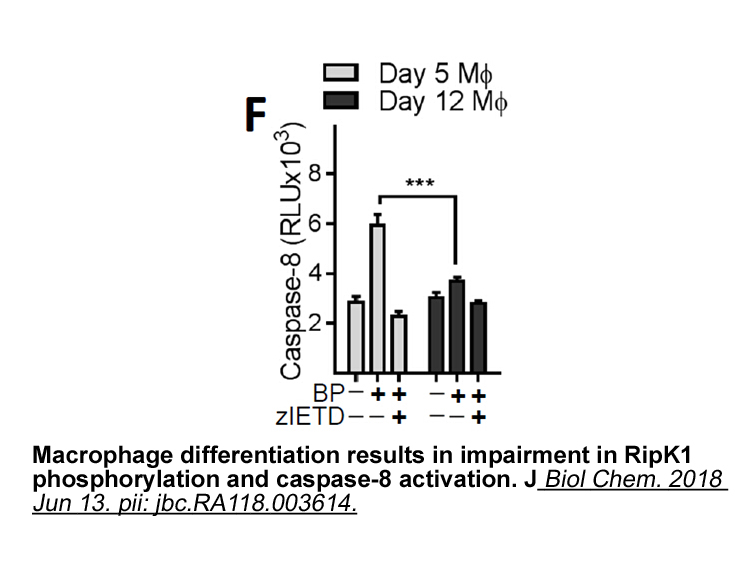
DSBs can be repaired by two major pathways: canonical non-homologous end-joining (c-NHEJ) and homologous recombination (HR) (Chapman et al., 2012). c-NHEJ comprises two sub-pathways, a resection-independent process and a resection-dependent process, and can rejoin break ends with little or no sequen
-
This project was funded by
2019-07-09
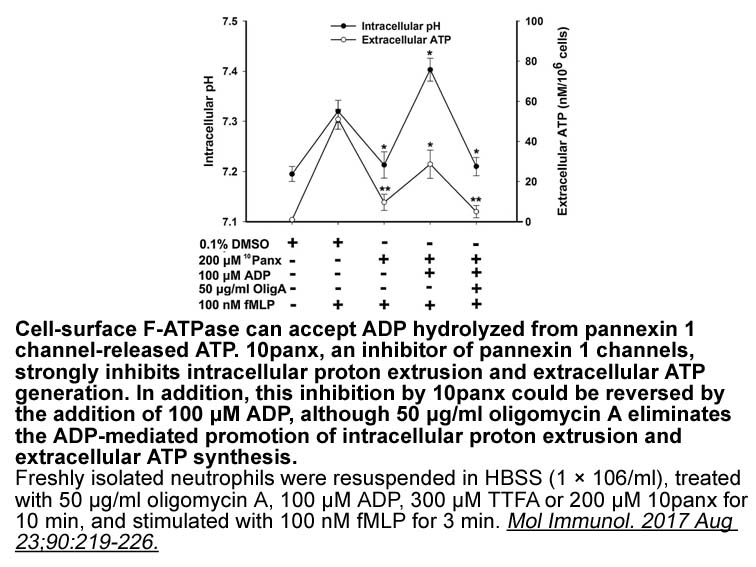
This project was funded by the Deutsche Forschungsgemeinschaft within FOR 2251 (project grants EB 285/2-1 and WI 3272/3-1) and in part by additional contributions from the Bundesministerium für Bildung und Forschung (D.I.S award Nos. BIOSCAT [05K12YE1]) and the Horizon 2020 programme of the European
-
Experimental studies offer a means of developing an empirica
2019-07-08
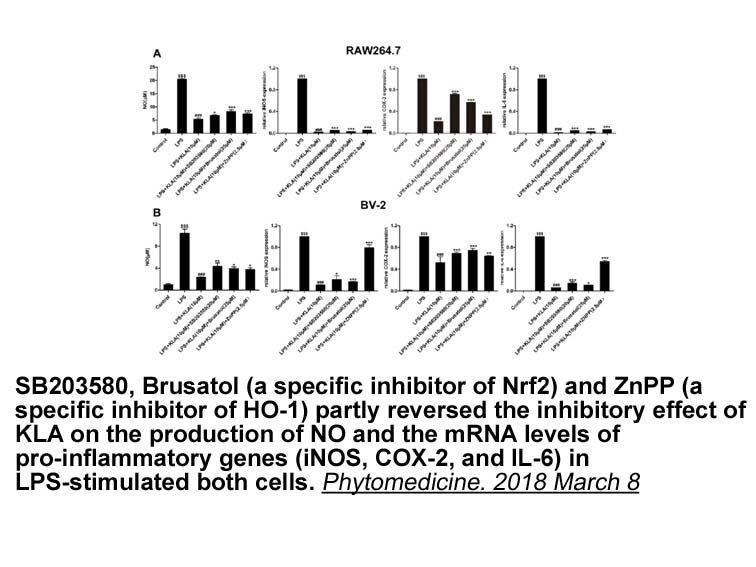
Experimental studies offer a means of developing an empirical basis for the development of forensic protocols in the investigations of specific crime types [12]. Such an evidence 5-BrdU for ICST cases will help enable the identification of situations when there is likely to be recoverable DNA from
-
ATP dependent DNA ligases in
2019-07-08
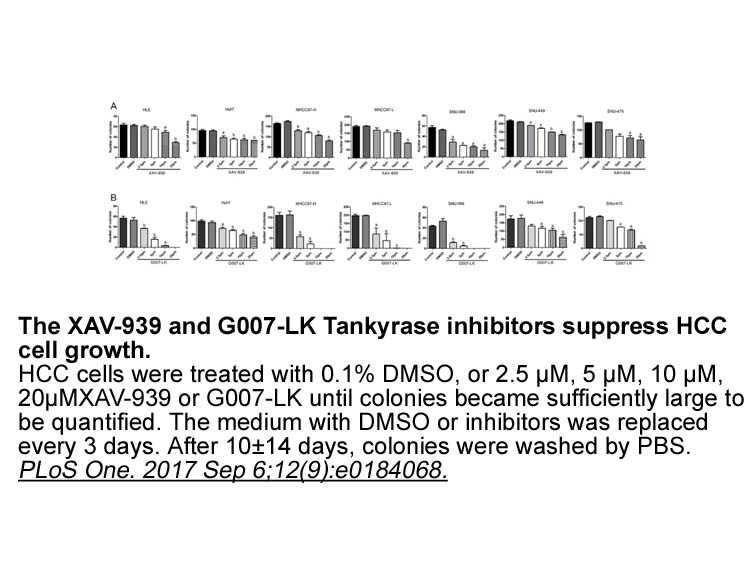
ATP-dependent DNA ligases in vertebrates are divided in three families [7]. Family I DNA ligases are responsible for sealing the nicks during DNA replication and in long-patch base excision repair (BER). Family III DNA ligases are involved in short-patch BER. Lastly, family IV DNA ligases are involv
-
The CysLT receptor antagonist BayCysLT RA significantly supp
2019-07-08

The CysLT2 receptor antagonist BayCysLT2RA significantly suppressed multiple antigen challenge-induced infiltration of eosinophils and mononuclear CAY10603 what into the lung, indicating that CysLT2 receptor activation is involved in leukocyte migration. In contrast to the present finding, Barret e
-
CDK lacks DNA binding domains and
2019-07-08
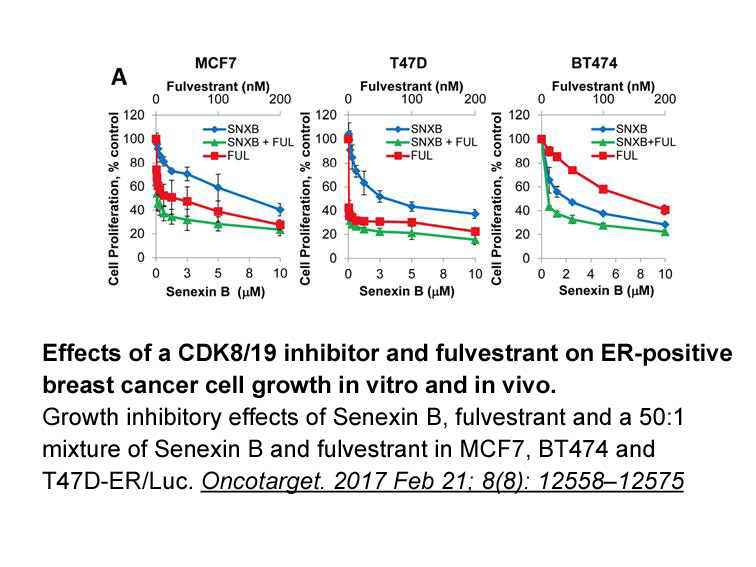
CDK6 lacks DNA-binding domains and nuclear localization sequences, and therefore will probably be transported to the nucleus by a ‘piggy-back’ mechanism and needs to contact its specific sites indirectly through DNA-binding proteins. Besides NF-κB p65, a further candidate transcription factor is PAX
-
In the cytoplasm the ternary
2019-07-08

In the cytoplasm, the ternary CRM1–cargo–RanGTP complex is disassembled by the action of Ran-binding proteins RanBP1/2 and RanGAP. A recent kinetic study showed that the Ran-binding domains (RanBDs) of the cytoplasmic proteins RanBP1 and RanBP2, but not RanGAP, accelerate dissociation of NES from CR
16857 records 1061/1124 page Previous Next First page 上5页 10611062106310641065 下5页 Last page